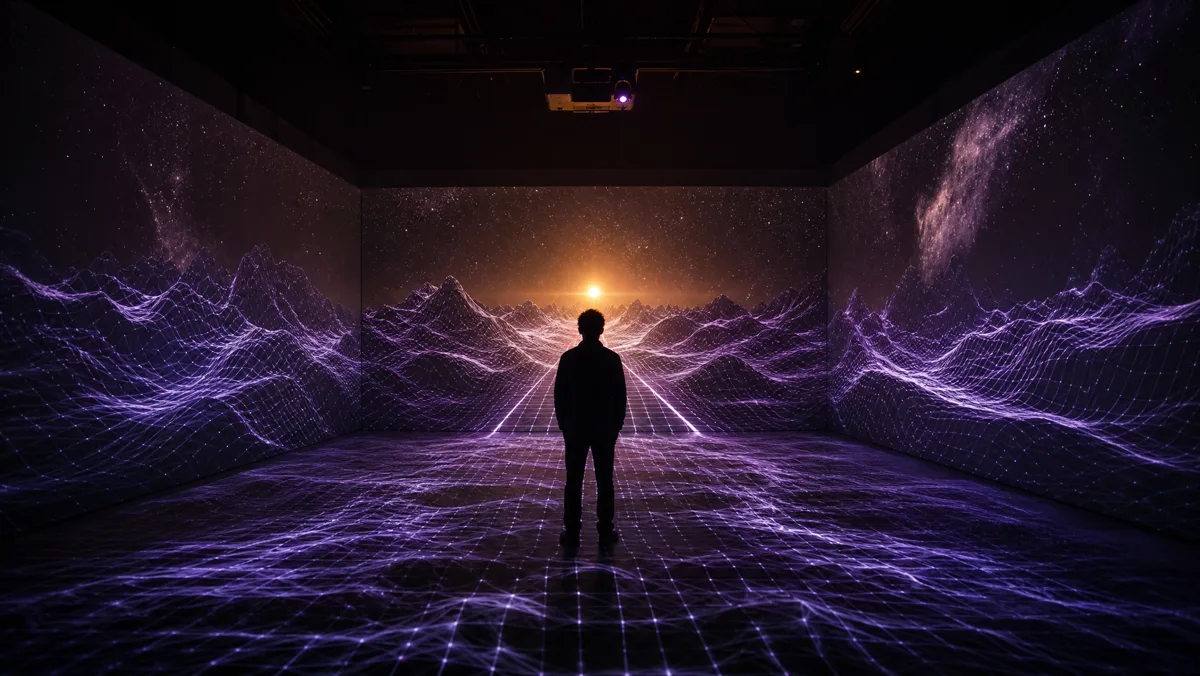
WebGL transforms the browser into a 3D rendering engine - no plugin, no application to download. In 2026, the most ambitious WebGL experiences rival video games in visual quality, while remaining accessible via a simple URL.
A WebGL site generates on average 3 to 5 times more time spent than a standard site. Immersion creates engagement, engagement creates memorability, memorability creates brand preference.
The second argument is differentiation. In 2026, most corporate websites look alike - same layouts, same animations, same templates. A WebGL site is immediately recognisable.
The third argument is accessibility. No app to download, no VR headset to buy. A link, a browser, an experience.

Immersive product experiences allow manipulating a 3D object in the browser - rotating, zooming, customising. Automotive and watchmaking brands use them to replace classic configurators with premium experiences.
3D portfolios transform navigation itself into an experience. Scrolling becomes a spatial journey - projects float in 3D space, page transitions become camera movements.
3D data visualisation experiences project data into space. Charts become navigable landscapes. It is the most effective format for making complex datasets intuitive.
Narrative worlds tell a story through space. The visitor does not read - they explore. Each scroll reveals a new chapter. It is the format Nexia explored with Initium - a navigable 3D world telling the story of a virtual human's birth.
Interactive installations use WebGL for event experiences accessible via QR code.
A WebGL site generates on average 3 to 5 times more time spent than a standard site. Immersion creates engagement, engagement creates memorability.
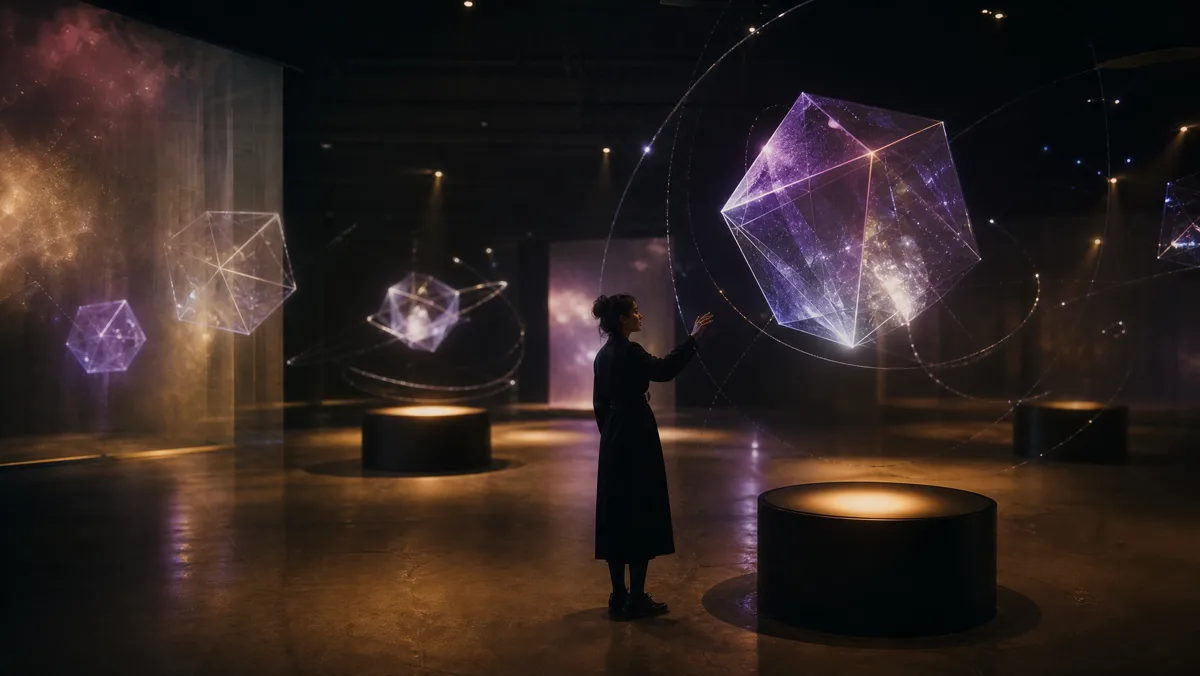
Three.js is the dominant framework. Open source, well documented, performant. It is the foundation of 90% of brand WebGL experiences.
GLSL shaders enable custom visual effects: distortions, particles, volumetric lighting, fluid transitions. It is the layer that transforms a technical 3D scene into an aesthetic experience.
Optimisation tools (texture compression, LOD, instancing) are critical for mobile performance. A WebGL site that lags on mobile is a failure, regardless of how beautiful it looks on desktop.
A WebGL site is immediately recognisable. In 2026, differentiation comes through experience - not content.
WebGL is relevant when immersion serves the objective: premium product to present, story to tell, differentiation to mark. It is overkill for an informational brochure site. The cost (from €8,000) is justified when the ROI is in brand experience, not in SEO traffic volume.