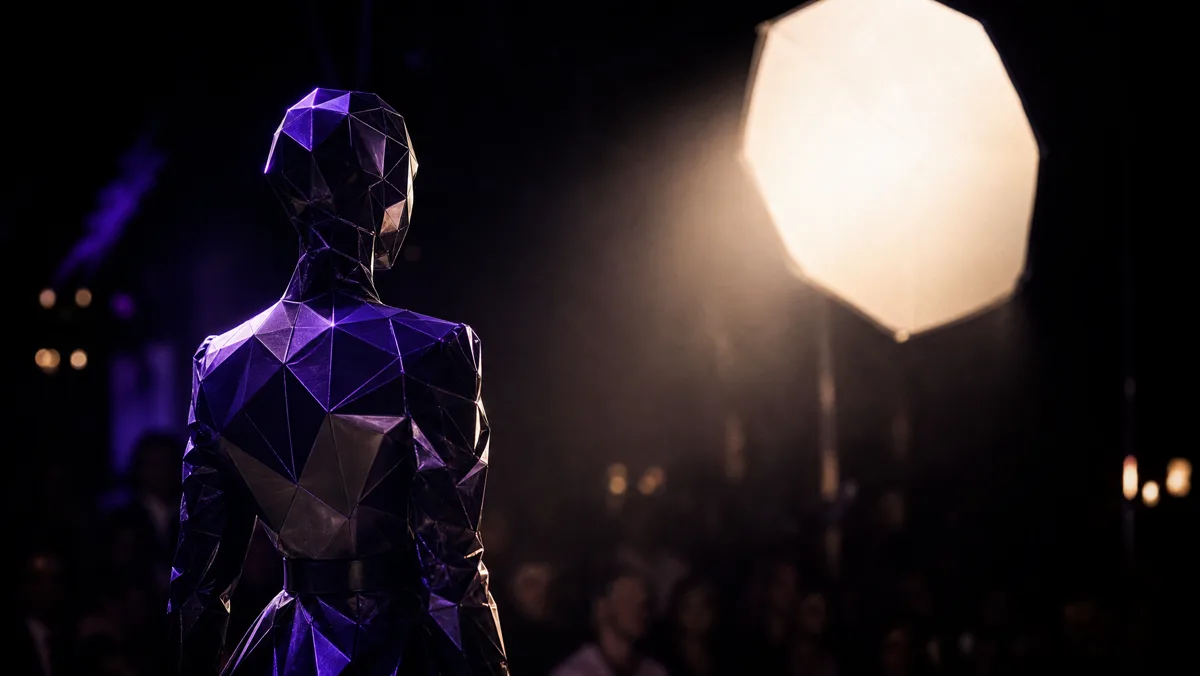
A brand virtual human is a digital character - photorealistic or stylised - created through artificial intelligence and 3D animation, that represents a brand in digital contexts: website, social media, events, customer service, advertising campaigns. In 2026, virtual humans are no longer a futuristic concept - they are a communication tool that forward-thinking brands are already deploying.
The brand ambassador is a character that embodies the brand's values and aesthetics long-term. It is the digital equivalent of a campaign face - but available 24/7, infinitely adaptable, with no scheduling constraints. Qatar Airways uses Sama, a virtual human followed by hundreds of thousands on Instagram. The production cost is amortised over years of use.
The digital spokesperson replaces or complements a human spokesperson for corporate communication. They announce, explain, reassure - with message consistency that humans cannot guarantee. Ideal for internal communication, educational videos, video FAQs.
The service avatar interacts with clients in real time. Connected to an LLM (ChatGPT, Claude), it answers questions, guides journeys, handles simple requests. The city of Amarillo in the United States uses Emma, a virtual human with a 98% citizen satisfaction rate.
The virtual influencer lives on social media with their own personality, their own feed, their own stories. They create content, collaborate with other brands, build an audience. Total image control is the main advantage - no risk of personal controversy.
Le personnage narratif existe dans un univers de fiction de marque. Film, série web, expérience interactive, jeu. Il sert le storytelling de la marque sans prétendre être "réel". C'est le format le plus créatif - et celui que Nexia a exploré avec Initium.
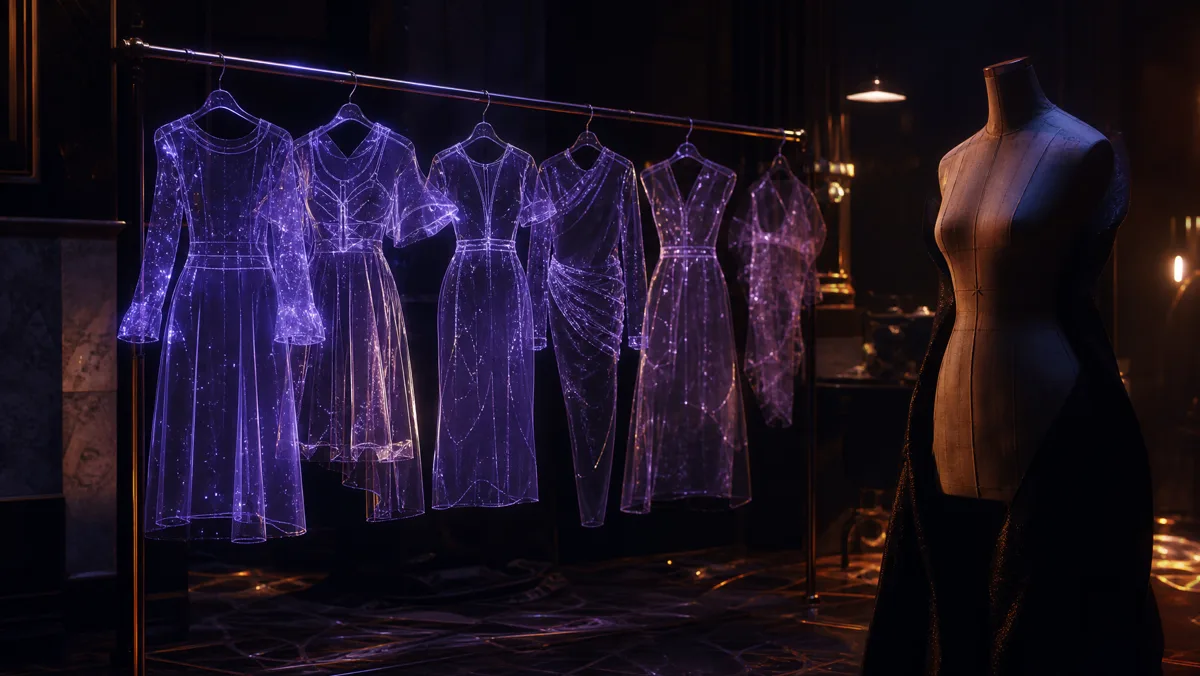
The 6-step process at Nexia starts with a character design workshop. Who is this character? What personality? What visual style? What role in the brand ecosystem? Our art director runs this workshop as for a film character: posture, expression, wardrobe, lighting, voice.
The second step is AI exploration. Hundreds of face, style and attitude variations are generated by AI. The art director selects the strongest directions. The client approves.
The third step is modelling. Nicolas Dalmas creates the 3D model of the character - or the AI pipeline produces a photorealistic character in the chosen style. The model is optimised for animation.
The fourth step is animation. AI-augmented motion capture, lip-sync, facial expressions. The character comes to life with the fluidity that only a senior motion designer can produce.
The fifth step is voice design. Synthetic voice calibrated to the character's personality - tone, rhythm, accent. Multilingual if needed.
The sixth step is integration. The virtual human is deployed on chosen channels: website, social media, events, videos, customer service.
A complete virtual human (design + model + animation + voice + guidelines) starts from €10,000. It is an initial investment that pays back quickly - additional animations cost 30 to 50% of the initial price. Timeline: 6 to 10 weeks for a first deployable version.
Total image control is the main advantage - no risk of personal controversy.
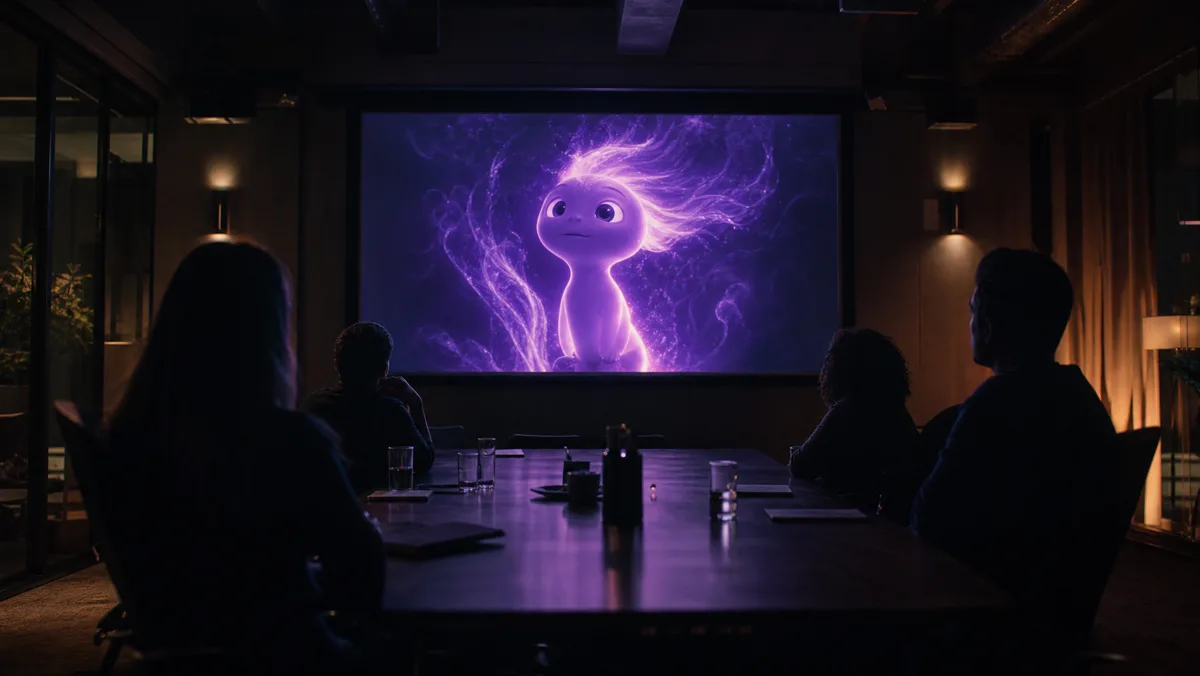
The uncanny valley remains the main trap. Un virtual human "presque réaliste" est plus dérangeant qu'un personnage clairement stylisé. The solution: either go for total photorealism (technically demanding and costly), or embrace a distinctive artistic style (more accessible and often more memorable).
The public perception is the other risk. In 2026, the public is more informed and more critical of AI. Transparency is non-negotiable: clearly identify the virtual human as an AI creation. Brands that try to pass off a virtual human as a real human expose themselves to backlash.
Transparency is non-negotiable: clearly identify the virtual human as an AI creation. This is a principle we will never compromise.
At Nexia, we always identify our virtual humans as AI creations. It is a non-negotiable principle.