Art direction in the age of AI is not a dying profession - it is a profession in transformation. Generative AI does not replace the art director. It transforms them into a superpower. The art director who masters AI produces in 2 days what used to take 2 weeks. The one who ignores it will be replaced - not by AI, but by an art director who uses AI.
The exploration phase is the most impacted. Before AI, an art director explored 3 to 5 visual directions in 1 to 2 weeks. With Midjourney and Stable Diffusion, they explore 50 in 2 days. The realm of possibility explodes. The art director is no longer limited by their production capacity in exploration - they are limited solely by their judgement.
The iteration phase also accelerates. Colour, composition and style variations are instantaneous. The client sees real options, not abstract descriptions. Back-and-forth shortens because everyone is looking at the same thing - not a mental interpretation of a verbal brief.
Previsualization transforms client presentations. Instead of a moodboard of borrowed references, the art director presents visuals that resemble the final deliverable. The client understands immediately. Misunderstandings disappear. Approvals are faster and firmer.
Le DA qui maîtrise l'IA produit en 2 jours ce qui prenait 2 semaines. The one who ignores it will be replaced - not by AI, but by an art director who uses AI.
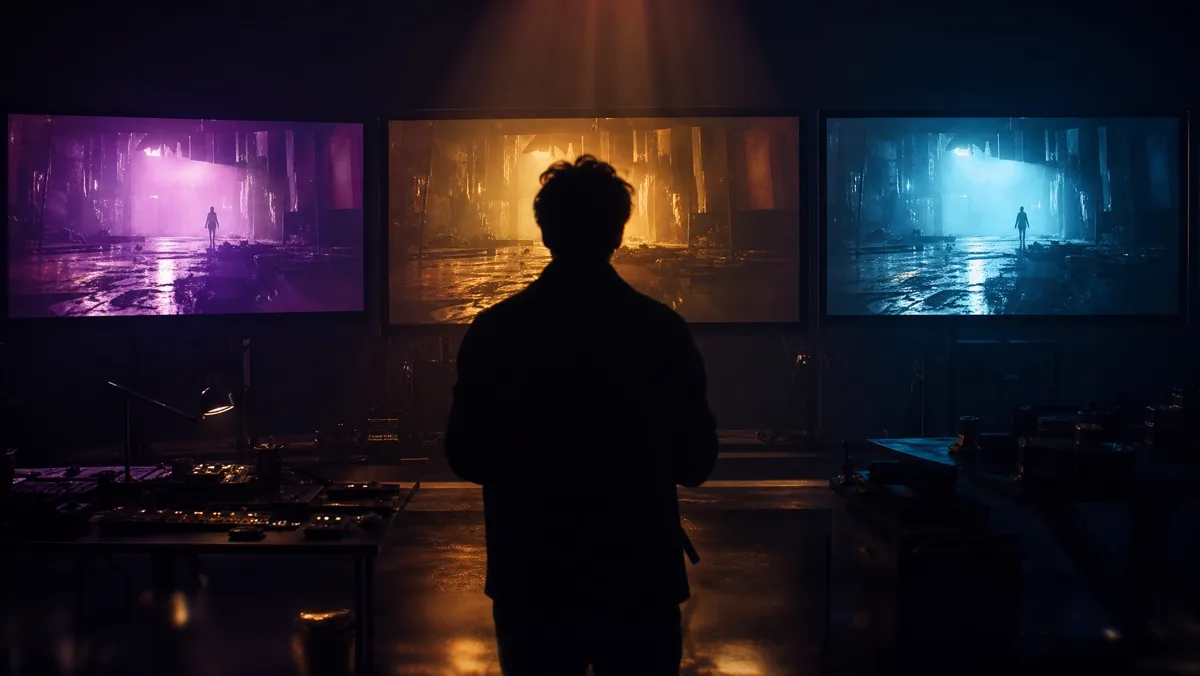
Taste. AI generates volume - the art director selects quality. Among 50 directions, 47 are mediocre, 2 are good, 1 is exceptional. Identifying it is the craft. It is 10 years of accumulated vision, digested references, integrated mistakes. AI has no taste - it has patterns.
Consistency. A brand project is not a collection of beautiful images - it is a system. The logo, the website, the film, the packaging, the social feed must all tell the same story with the same voice. AI produces isolated pieces. The art director builds the puzzle.
The client relationship. Understanding what a client means when they say "I want something premium but not cold" - that is emotional intelligence, not artificial. Defending a creative choice, challenging a brief, guiding a client towards what they need (not always what they ask for) - that is a human craft.
Storytelling. AI does not tell stories. It generates images. The art director tells a story through images. That is fundamentally different.
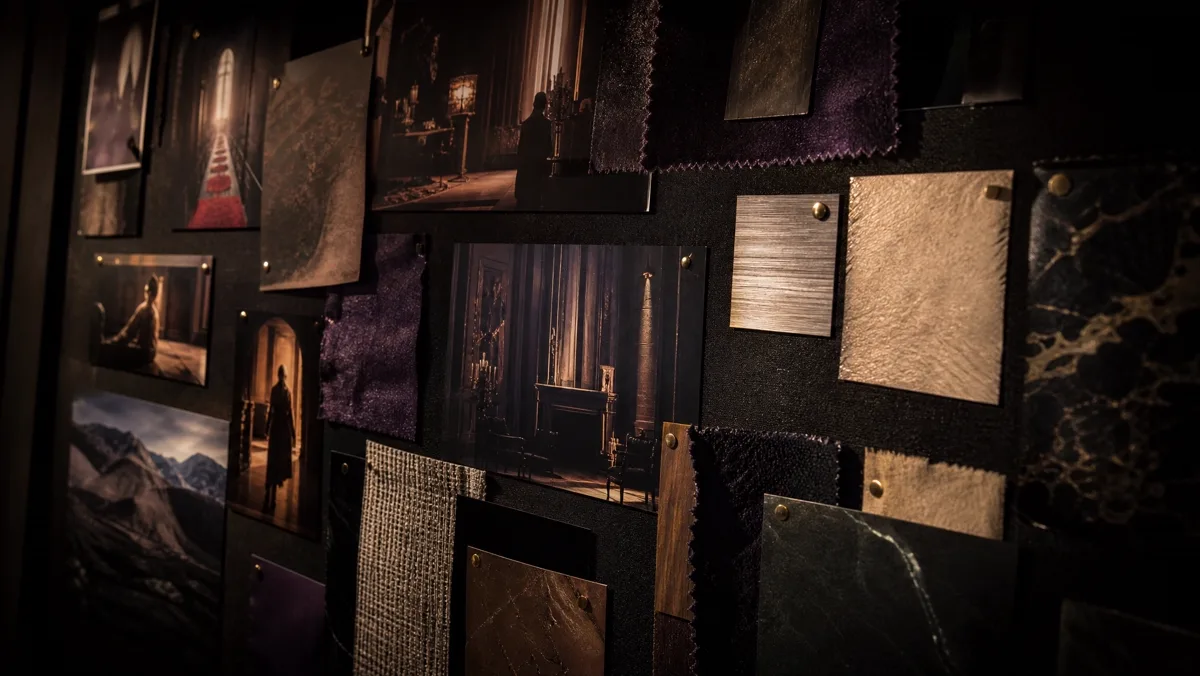
The augmented art director is a classical art director (vision, visual culture, rigour) who masters AI tools the way they master Photoshop or Figma. They prompt as they direct - with intention, precision, and high standards. They know what they are looking for before prompting - AI is a fast executor, not a creative director.
AI has no ego - it starts over 100 times without complaining. It is the perfect collaborator for a demanding art director.
At Nexia, our art director directs AI the way he directs a motion designer: precise brief, demanding feedback, rapid iterations.